In this post we will look at other ways that criminals can try to scam you.
Card fraud
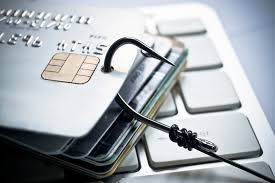
This is when a criminal steals personal information from your credit or debit card or even steals the card itself. The criminal could then use this information to buy goods or services which would then be charged to your card.
Card cloning-this is when the information on a card that is being used for a transaction is covertly and illegally duplicated. The information is then copied on to a new or formatted card which then allows them to gain unauthorised access to those accounts or make fraudulent purchases using the card.
How do they do this?
The most common type of cloning is called skimming. Criminals install a skimmer on an atm machine or point-of-sale terminal. The card is then used by its owner for a legitimate transaction, whether that is to withdraw money or pay for a purchase and the skimmer copies the cards information. The criminal can then retrieve the information, use it as it is, copy it onto a different card and /or sell the information on the black market.
How are they able to copy this information?
Payment cards store and transmit information in different ways so the tools and methods used by criminals can vary.
• Magnetic strip - Most cards have a magnetic strip across the back which stores and transmits analog transaction information. These types of cards are being gradually phased out as the magnetic strip doesn't have any encoding protection which makes it very easy to clone using a very basic skimmer.
• EMV (Euro pay, Mastercard and Visa) chip - this is a microchip installed on the card which digitally encrypts every transaction made with it. This makes it difficult to access the actual authorisation information although criminals have developed devices which circumvent that. Shimmers operate in very much the same way as skimmers but instead of the magnetic strip, these work on the EMV chip. They can then transfer the digital information on an EMV chip to an analogue magnetic strip.
• Contact less tap - following COVID this method was actively encouraged for all purchases so that cash wasn't used and the risk of transmitting the disease was lessened. Unfortunately, criminals have developed ways to steal your information this way too. The newest form of payment cards are equipped with radio frequency identification technology (RFID). This allows them to transmit the transaction information merely by being near the card reader without having to physically insert the card into a slot. Criminals have developed RFID-enabled cloning devices that they can simply put in their pocket and steal information as they walk down the street, purely by being in close proximity to the cards.
How can I minimise the risk?
Unfortunately, it's almost impossible to eradicate card cloning fraud. The best approach is to try to minimise the risk.
• If your card has an EMV chip, make sure you use this rather than the magnetic strip
• Keep your card safe and shield your PIN whenever you enter it.
• Check your transactions regularly for payments you don't recognise
• Use an RFID blocking wallet to lower your risk of wireless skimming
• Don't use public Wi-Fi for any financial transactions
• Check for skimming and shimming devices on ATMs and any other point of sale terminals.
Cheque fraud
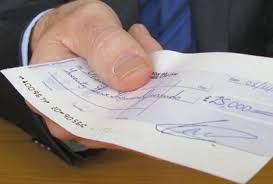
Although not many people use cheques now it is still best to be aware of how they can fraudulently be used.
- Counterfeit cheques - these are printed to look exactly like a genuine cheque but have only been produced to commit fraud
- Forged cheque-this is one that has been stolen from you and used by a criminal by forging your signature.
- Fraudulently altered-this Is a genuine cheque written by you but altered by a criminal in some way. This could be altering the name of the payee or the amount the cheque is written to pay.
You can protect yourself by drawing a line through any unused spaces on the cheque and use a ballpoint pen or permanent ink to fill it in.
Keep your chequebook safe and let your bank know if you have any missing or lost cheques.
Check your bank statements regularly and report any unrecognised transactions immediately
Identity theft
This is when a criminal steals your personal information, such as your name, date of birth, current and/or previous address, using the information to commit fraud by taking out cards or loans in your name or even using it to try to get government benefits. Criminals access your identity in a number of ways. These can include:
- Going through your post for old bank statements
- Going through your rubbish for information
- Setting up a mail redirection without you knowing
- Using social media to build up a profile of you.
You can minimise this risk by:
- shredding or burning anything. you no longer need that has your personal information on like old bank, statements, credit card bills, official letters from places like the NHS/DWP or' old utility bills which may have information like account numbers etc. on them
- If you receive a letter about a loan or card you didn't apply for, call your bank immediately
- Check your bank statements regularly for transactions you don't recognise.
Doorstep scam

This is when someone comes to your house and tries to trick you into paying for work you don't need. They may tell you that there is a problem with your property that needs to be fixed immediately such as tiles damaged/missing on your roof, guttering that is damaged or a problem with your driveway. They might ask for a payment up front or offer you a ridiculously low price that they then increase. Doorstep scammers aren't always rude and forceful, they can come across as polite and helpful as, that way, they stand more chance of scamming you out of money.
How you can lower the risk:
- Check their credentials, this is something a genuine person will only be happy to provide
- Only let someone in or do any work for you if you were expecting them
- If they try to pressurise you into accepting their services you can say no and if you are uncomfortable refusing completely, say you need some time to think about it
- If you feel threatened or in danger, call the police. If you don't feel in immediate danger, call 101, the non- emergency number and report the incident
Payment in advance fraud
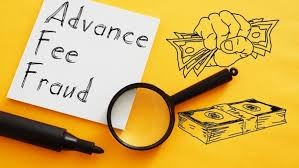
This is also known as advance fee fraud and is when a criminal contacts you via text, email or social media in an attempt to get you to pay an upfront fee for goods or services which never materialise. This can include things like:
- Job applications
- Delivery fees
- Goods and services
- Loans
- Prizes or lottery wins
- Inheritance How you can protect yourself
- You will never be asked to pay an upfront fee for a job application or job process
- Research the person or company to see if they are legitimate
- If you have not entered a competition or played the lottery then it is highly unlikely you would have won a prize and you will not be asked to pay an upfront fee to receive the money or prize so it is most likely α scam.
- Check to see if the company is registered on companies House using the information on there to contact them directly if you need to.
