Savings
There are different ways you can save money that is a lot more secure and earn you interest on your money, something that stashing your money under your mattress will definitely not do. The type of account you choose can be influenced by a number of different factors. These can include:
• How much money you have to save
• Will you need access to this money in the short term?
• Are you investing a lump sum or are you going to invest money on a regular basis?
• Who is the account for? Are they an adult or child?
• Are you saving for a specific event like a holiday or wedding?
Do I need to pay tax on my savings interest?
There are three tax free allowances which means that not everyone will pay tax on the interest. The way it works. depends on how much you earn.
• If you are on a very low income. you can usually earn up to £12,570 from a combination of earnings and interest before you pay any Income Tax
• If you have an income under £12,570 you can earn up to £5000 in Interest tax free. For every £1 you earn over £12,570 you lose £1 off the allowance which means you'll get nothing tax free if you earn £17, 570 +
• If you're a basic 20% or higher 40: rate taxpayer- most people who pay tax on their income get a Personal Savings Allowance (PSA). This is the amount you can earn each year from any form of savings without paying tax on it.
• Basic 20s. rate taxpayers can earn £1000 interest each tax year.
• Higher 40% rate taxpayers can earn £500 interest each tax year
• Top 45% taxpayers do not get a PSA.

Fixed rate savings account
If you are saving for a specific event, then a fixed rate savings account may be the account to choose. This would work if you are able to lock your money away for a set amount of time. This can be for 1 or 2 years so wouldn't work if you were putting money aside to pay for your annual holiday. If you need to access the money before the end of the term you may have to pay a fee or receive a loss of interest. These accounts are:
• Fixed rate -If you put your savings into this type of account you get a fixed interest rate for the duration, which can vary depending on the account and can range from as little as 6 months up to 2 years or may be more.
• ISAs
Easy Access or Instant Access Accounts
With this type of account, you pay your money into them, and they pay you interest while the money is in the account. This sort of account is useful if you need to dip into your savings regularly as you can withdraw money, up to the amount you have in there, whenever you want. The interest rate on these accounts is lower than on a fixed rate savings account and the rate is variable, which means it can go up or down. You won't need to pay a fee to access your money, and some may even offer a bonus if you don't make a withdrawal.
Interest on these accounts is either paid into the account monthly or annually, but you need to remember if you choose an account with annual interest, you won't be able to access or use that interest until the end of the year.
You may find an easy access account that has limitations on how many withdrawals you can make in/year. Usually if you exceed that number of withdrawals you are penalised by having a lower rate of interest or having to pay a fee.
Notice savings
This type of account is good for those who know that they will need to access their Money, don't know when but know they'll not need it immediately when they do. These accounts require you to give notice before you can withdraw any money
An example of this is with a first time property buyer. They know they'll need the money for a deposit but won't know if they'll find their dream home in 4 months’ time or 10 months. The notice period for these accounts can be anywhere from 30 to 90 days.
Regular Savings Account
These accounts are also called monthly savers. They are accounts where you agree to make a savings deposit every month, usually between £10 and £500 with a fixed time for the account to be held. If you miss a month the interest rate might go down to a lower one though some providers may let you skip a month. In exchange you often get α better interest rate than standard savings accounts. At the end of the term you get back all of the money you have paid in, plus the interest.
ISAs – this stands for Individual Savings Account
These accounts enable you to benefit from tax advantages. Currently the 1st allowance limit is £20,000 per person and is frozen until April 2031. You can split this amount across different types of ISAs such as Cash, Stocks and Shares, Innovative Finance or Lifetime ISA. How you split the £20,000 across the ISA's is up to you apart from with the Lifetime ISA where the maximum you can invest annually is £4,000 (with the £4000 forming part of the £20,000 total)
You don't pay any tax on the interest your ISA earns so if you would pay interest if you saved your money in a different type of account you may be better protecting it in an ISA.
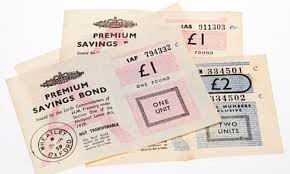
Premium Bonds
These are not technically a savings account as they don't earn interest but lots of people choose to keep their savings in them.
Premium Bonds work like a prize draw. You can save between £25 and £50,000 and win between £25 and £1 million tax-free in the monthly prize draw. The more you own the more chances you have of winning although there is no guaranteed return on your money.
You can buy them for yourself if you're over 16 or for children as gifts. Each £1 Bond has 23,000:1 odds of winning a prize from the April 2026 draw. In effect each £1 Bond has a number attached to it and when the draw is made a random number is picked for each prize. You can choose to have your prize money reinvested as new Premium Bonds if you wish or have the money paid into your bank. You can only do this until you reach the maximum amount of £50,000 invested. You can withdraw your money at any time by cashing in your Premium Bonds, receiving the amount you invested plus any winnings if you chose to reinvest.
There is another way that you can put money away for use in the future and that is in the form of a pension. We will look at these in future blog posts.
