I should imagine most of you spent a lot of time online leading up to the Christmas break, no doubt spending far more than you intended to. But when you were chasing that perfect last-minute gift were you also keeping yourself and your money safe at the same time? This post will look at the many different ways that scammers and fraudsters can try to trick you and take your money.
Phishing/smishing
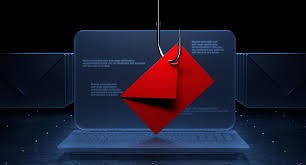
First of all check that the online shop is legitimate, especially if you're not used it before. You may have received an email or text with a link to a fake shop. It is very easy to duplicate the design of an official website and include logos, trademarks and products from the genuine store. There are ways to protect yourself. First of all, avoid clicking on these links and instead type the official website address into your browser search bar if you know it.
There are other ways you can make yourself safe:
• Use a credit card for payments if you have one as many of these protect online purchases as part of the Consumer Credit Act.
• Debit cards offer less protection, but you may be able to claim a refund under the voluntary scheme called 'charge back
• Never pay by direct bank transfer
• When making the payment only fill in the compulsory details which are often marked with an asterisk. Unless you think you are going to be a regular customer don't create an account and check out as a guest instead. Using an online payment platform such as PayPal, Apple or Google also usually means you don't have to create an account.
• Don’t let your browser remember your payment details and if you do choose to create an account for the store don't let them store your bank details for future purchases.
•
If you think you have received a smishing test first of all do not click on the link or call any numbers in the text. You can report them directly to your mobile phone provider free of charge by forwarding the text to 7726. WhatsApp messages can be reported by selecting them in your messages and tapping 'report'. To report the sender, open up the chat, tap on their contact details and choose 'block and report’.
Also be very careful when it comes to clicking on adverts on social media and websites If you do, look for the closed padlock symbol and/ or https at the start of the website address the s stands for secure). These don't guarantee the website is reputable or legitimate, but it does mean that your connection to them is secure so anything you put on there is encrypted
Keep your accounts secure
Make sure your shopping, online banking and any payment accounts are protected by a strong password that you don't use elsewhere. If you use the same one for all of your accounts and a criminal gets access to it, they then could access all of your accounts. If possible, turn on 2- step verification so that an extra layer of security is added. Make sure the apps and software on your devices are up to date and, if possible, use antivirus software. When using your phone out and about don't use public Wi-Fi to access any accounts that have your personal or financial information.
Keeping your money safe
There are a number of different ways fraudsters can try to get hold of your hard-earned cash and are constantly looking for new ways to do it. Here are some of the ways they try and how you can protect yourself.
Email
Fraudsters can send you emails pretending to be your bank which can look legitimate at first glance but if you look closer there are ways to tell it's fake
• The greeting on the email is generic, addressing you as 'customer' or 'Dear sir/Madam' rather than by your actual name
• There are obvious spelling or grammatical errors
Suspicious links
Cyber criminals can put malicious links into text messages, emails and on social media posts. They are frequently hard to spot and often include unbelievable offers for services or goods with links to click on to take up the offer. These websites are managed by criminals and are aimed at tricking people into making payments or giving out their bank details, passwords or other personal details If you receive something with a link that doesn't feel or look right first of all, don't click on it. If you can, find the correct, official website for the service or product. and access it that way. You can also report suspicious emails by forwarding it to the Suspicious Email Reporting Service (SERS) at report@phishing.gov.uk.
If you are shopping online be very careful who you send your money to, and even more so how you pay for items Avoid using bank transfer or a service like PayPal Friends and family until you have actually received the goods. If possible use the official payment method on the market plate. Other things to be aware of in order to help you avoid scams:
• Sellers who try to move the conversation away from the Market place and onto a different platform.
• Any product descriptions that have missing information or appear vague The add appears to use a generic image that isn't unique
• Products or sellers that appear in a lot of different locations
Calls
Fraudsters can phone. you and make it look like they are ringing from your bank. If anyone rings you, tells you that your money is not safe and that they can help you move it to a 'safe 'account, it is a scam. Your bank will never call you and ask for your bank details or try to get you to move money in that way. If you get a call like that, even if they claim to be the police end the call.
Make sure to always keep your phone, computer and browser up to date as you are more at risk of being hacked if you are using an old version of software. Never share your PIN, Use/D or password with anyone. Aim to use a different, strong password for each site that you log into and consider changing it on a regular basis..Be very careful what you share on social media, you may well be giving scammers information that they could potentially use against you. We don't always realise what information is actually publicly available. Check your privacy settings. Here are just some of the information that criminals can use when trying to scam you: full name, date of birth, home address email address, phone number, card details, bank account numbers, details of recent transactions or documents from service providers. Even simple things such as the name of your first pet or the street you grew up on as these could be the answers to your security questions.
In the next financial awareness post we will look at some of the other ways criminals can try to con money out of you.
